
We live in a world that rarely slows down. Work deadlines pile up, notifications buzz nonstop, and somehow the weekends feel just as busy as the weekdays. If you’ve been feeling drained, scattered, or like you’re running on empty, you’re not alone. Stress has become one of the most common health concerns across the globe, and more people are turning to wellness retreats for stress relief as a way to recover truly, not just cope.
That’s where wellness retreats come in. And in this blog, we’ll walk you through everything you want to know, including what a wellness retreat actually is, what happens there, how long you should stay, and whether it’s truly worth it.
What Is a Wellness Retreat, Exactly?
A wellness retreat is a structured, intentional getaway focused entirely on your physical, mental, and emotional health. It’s not a regular vacation where you sightsee all day and collapse at night. It’s a purposefully designed experience that removes you from the noise of everyday life and places you in an environment built for healing and restoration.
Wellness retreats are set in peaceful natural surroundings because where you are directly affects how you feel. They’re for anyone carrying stress for too long who needs more than just a change of scenery. Many people plan a wellness vacation for burnout recovery before they hit rock bottom, and that’s the right call.
Why is it Important to Fix Stress?
Most of us manage stress with small fixes: a cup of tea, an evening walk, maybe a weekend nap. These things help in the short term, but they rarely address the root of the problem. The stress is still there, waiting for you on Monday morning.
Long-term stress keeps your nervous system in a constant state of high alert, quietly wearing down your sleep, mood, and immune system. This is exactly why wellness retreats exist. They don’t just give you a break from your problems; they change the environment around you so your body can naturally begin to heal.
What Happens at a Wellness Retreat?
Booking a wellness retreat can feel exciting, but it’s natural to be curious about what to expect. Although every retreat has its own style and schedule, most share the same goal: helping you relax, reset, and reconnect with yourself.
A Typical Day Looks Like This
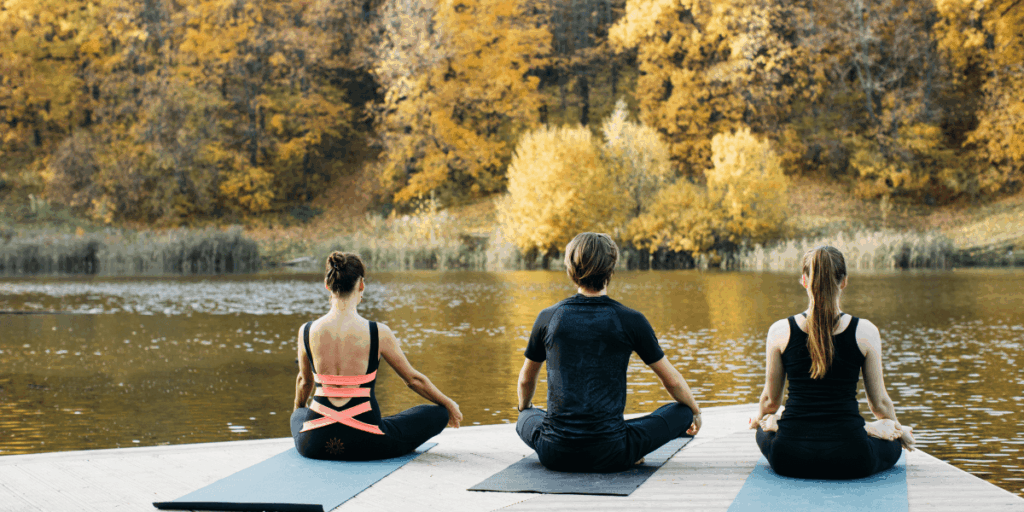
Wellness retreats are built around a gentle daily rhythm that lets your body and mind ease into rest naturally. Mornings usually begin with yoga or guided meditation, followed by a nourishing breakfast.
The rest of the day alternates between mindfulness workshops, therapeutic massages, and nature walks, with evenings reserved for group reflection or simply winding down.
Activities That Support Natural Stress Relief
Retreat programs commonly include a mix of the following:
- Yoga and meditation, which form the backbone of most wellness programs, are deeply effective at calming the nervous system
- Nature walks and outdoor time, which research consistently shows can lower cortisol levels and reduce blood pressure
- Breathwork and sound healing, which help regulate the body’s stress response at a physiological level
- Journaling and personal reflection sessions, which support emotional processing
- Nutritious, mindfully prepared meals that nourish the body and reduce inflammation
- Workshops on stress management, sleep hygiene, and sustainable well-being habits
The Power of Disconnecting
One of the most underrated parts of any retreat is the digital detox. Without the constant pull of emails, social media, and notifications, your mind gets something it rarely has at home: quiet. Many guests report sleeping better within the first night or two, thinking more clearly by day three, and feeling a genuine sense of calm that they haven’t experienced in months.
How Wellness Retreats Support Burnout Recovery
Burnout is the kind of exhaustion a regular holiday can’t fix because you’re still operating at the same pace. A wellness vacation for burnout recovery removes that pressure entirely so your body can actually heal.
What Changes Physically
When you step away from daily stressors and into a calm, natural environment, your body responds almost immediately. Research shows that nature and quiet surroundings lower blood pressure, reduce cortisol, and give your nervous system a genuine chance to rest.
What Changes Mentally
Without constant stimulation, your mind finally gets space to slow down. Most people arrive feeling foggy and leave with a clearer head, a calmer mood, and a renewed sense of purpose.
The Role of Community
Retreats bring together like-minded people working toward the same goal, and that shared experience is quietly powerful. Group conversations often feel more open and honest than anything in daily life, and knowing you’re not alone in your struggles is healing in itself.
Are Wellness Retreats Worth It?
The answer, for most people who attend, is yes, but with an important nuance. A retreat is a launch pad, not a finish line. A well-structured retreat can absolutely create measurable improvements in stress levels, sleep quality, and emotional balance.
Retreat Features that are Truly Effective
Not all retreats are created equal, so here are a few things to look for:
- Evidence-based activities such as yoga, mindfulness, and guided reflection, rather than just spa treatments
- A natural, peaceful setting, since nature exposure has its own independent benefits for stress reduction
- Facilitators with real credentials, including mental health professionals, mindfulness teachers, or trained wellness practitioners
- A plan for after you leave, helping you bring what you learned back into your daily routine
The Long-Term Impact
Wellness programs can help your mind and body respond to stress in a healthier way. The retreat resets your nervous system, and what you do afterward determines how long that reset holds.
A Worthy Investment in Yourself
You invest in your career, your home, and your relationships, and your mental health deserves the same. For many people, a wellness retreat is the first time in years they’ve truly put themselves first, and the shift that follows can be profound.
How Long Should a Wellness Retreat Be?
The answer to that depends on where you are and what you need.
A Weekend or Short Stay (2 to 3 Days)
A short retreat can offer immediate relief. You’ll likely feel calmer, sleep better, and return home with a few new tools for managing stress. It’s a great starting point, especially if you’ve never attended a retreat before.
A Week-Long Retreat (5 to 7 Days)
Most experts consider a week the sweet spot for meaningful change. Research supports that five to seven days of an immersive retreat experience allow your nervous system enough time to downregulate genuinely. You have space for both the breakthrough experiences and the quiet integration that follows. A week is often the minimum recommended for noticeable burnout recovery.
Two Weeks or More (14 to 21 Days)
For deeper stress recovery or more significant burnout, longer stays allow for a more thorough nervous system reset, healthier stress regulation, and the formation of new, healthier habits. If you’ve been running on empty for months or years, giving yourself two to three weeks can be genuinely transformative.
The more depleted you are, the more time your body needs to recover truly, and that’s something wellness retreats for stress relief are designed to accommodate. Even a short stay is worthwhile, but the more time you give yourself, the more lasting your results will be.
Tips for Making the Most of Your Wellness Retreat
Going to a retreat is a great first step, but a little preparation goes a long way in making your experience truly count.
Set a Clear Intention Before You Arrive
Know what you’re hoping to get out of the experience. Simply deciding that you want to rest, reconnect, or slow down gives your time there a sense of direction and purpose.
Commit to the Digital Detox
Not using your phone is one of the most powerful things you can do at a retreat. Give yourself permission to be unreachable for a few days. Your inbox will survive.
Stay Open to the Process
Not every session will feel immediately useful, and that’s okay. Some of the biggest changes happen quietly, in the breaks between planned activities. Trust the process and let it unfold at its own pace.
Plan How You’ll Carry It Home
The habits you build at a retreat only last if you bring them back with you. Before you leave, pick one or two practices and commit to keeping them going.
Choose the Right Setting
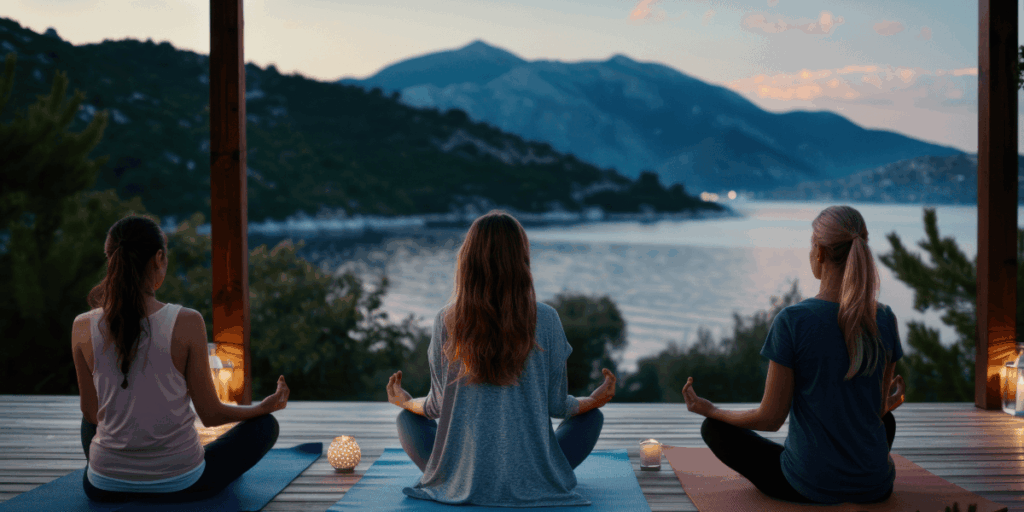
Desert landscapes, forest retreats, and mountain settings each offer their own kind of calm. The key is finding a place where you feel genuinely safe, spacious, and unhurried.
Conclusion
Stress is not something you should learn to live with. Your body and mind are asking for something more than another coping strategy, and wellness retreats offer exactly that: a real, structured, immersive reset that works with your natural rhythms rather than against them. A quality retreat helps you slow down, reconnect with yourself, and come home with tools you can actually use.
Your next step toward feeling like yourself again starts with choosing the right space. Vista Verde Retreat Center offers a mental wellness retreat program rooted in rest, nature, and genuine recovery. Visit us today to plan your stay!