
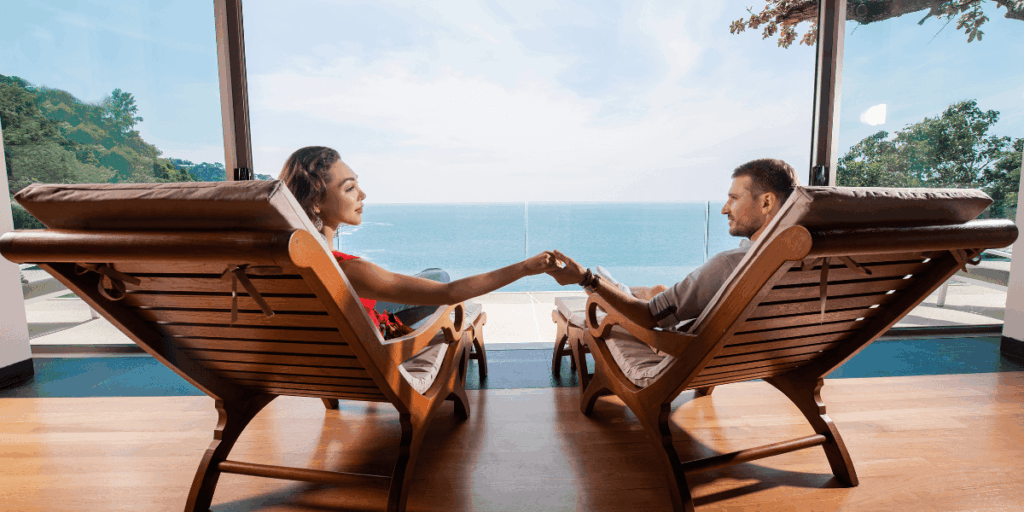
People talk about needing a break all the time. The question is what kind. A vacation and a retreat are built on entirely different intentions, and they lead to entirely different outcomes. One puts you in a new place. The other puts you in a new headspace. For anyone who has come back from a holiday feeling like nothing has really shifted, that distinction matters.
This blog looks at what each experience actually offers, why they serve different needs, and how to know which one is the right call for where you are right now. In short, this blog explains the key differences in the retreat vs vacation debate, helping you choose the experience that’s right for you.
What a Vacation Actually Is
A vacation is a break from routine. You pick a destination, pack your bags, and step away from everyday life for a while. That part is straightforward.
The Purpose of a Vacation
Vacations are built around enjoyment and leisure: sightseeing, good food, new experiences, time with people you love. The goal is fun, and there is real value in that. Nobody is suggesting that vacations are not worthwhile. They absolutely are. But they are designed for a different purpose than a retreat.
What Happens to Your Stress
Vacations distract you from stress, but they rarely resolve it. You come back refreshed for a day or two, and then the same tension creeps back in. That is because the source of the stress was never actually addressed. The holiday temporarily moved you away from your problems, but they stayed exactly where you left them.
The Unstructured Nature of Vacation Time
Vacations are usually flexible and open-ended. You do what you want, when you want. That freedom is part of the appeal, but it also means there is no real intention to your time use. Without structure, most people default to scrolling, overeating, staying up too late, and coming home feeling like they need a break from their break.
The Short-Term Effect
The relief a vacation brings is real but temporary. It fades quickly once daily life resumes. For many people, the benefits last at most a week before the baseline returns. That is not a failure of the vacation. It is simply what vacations are designed to do: give you a short-term lift, not a lasting reset.
What a Retreat Actually Is
A retreat is something different in its very intention. It is not about escape. It is about reconnection, deeper rest, and coming home with something that actually sticks.
The Purpose of a Retreat
A retreat for stress relief is built around a specific goal: giving your mind and body a real chance to reset. Whether that means time in nature, guided movement, silence, or creative practice, everything is oriented toward your well-being. There is intention behind every part of the experience, and that intention is what makes the difference.
Structure That Supports You
Retreats offer a level of structure that vacations do not. There is a reason for this. Without intention, free time tends to fill with distraction. A well-designed retreat removes that distraction and creates space for something more restorative. You are not left to figure out how to rest. The environment and the program do that work for you.
Time Away From Digital Life
One of the most underappreciated aspects of a retreat is what it takes away. Many retreat settings have limited cell coverage and no screens competing for your attention. That disconnection is not a loss. For most people, it is a genuine relief.
The constant pull of notifications and social media is one of the biggest drivers of low-grade anxiety, and a retreat removes it entirely.
A Setting That Does the Work
Natural surroundings, open space, silence, clean air. The environment of a retreat location is not accidental. It is chosen because it supports the kind of rest and clarity that is hard to access in a city or a resort. Nature itself becomes part of the healing process, and research consistently shows that time in natural settings reduces the physiological markers of stress.
What You Take Home
This is where retreats stand apart from vacations. The tools you develop, whether that is a new relationship with stillness, a clearer sense of what you need, or simply a few days of genuine rest, tend to stay with you. People often return home with a level of calm that carries them through the weeks that follow.
The Mental Health Benefits Of A Retreat You Can Actually Feel
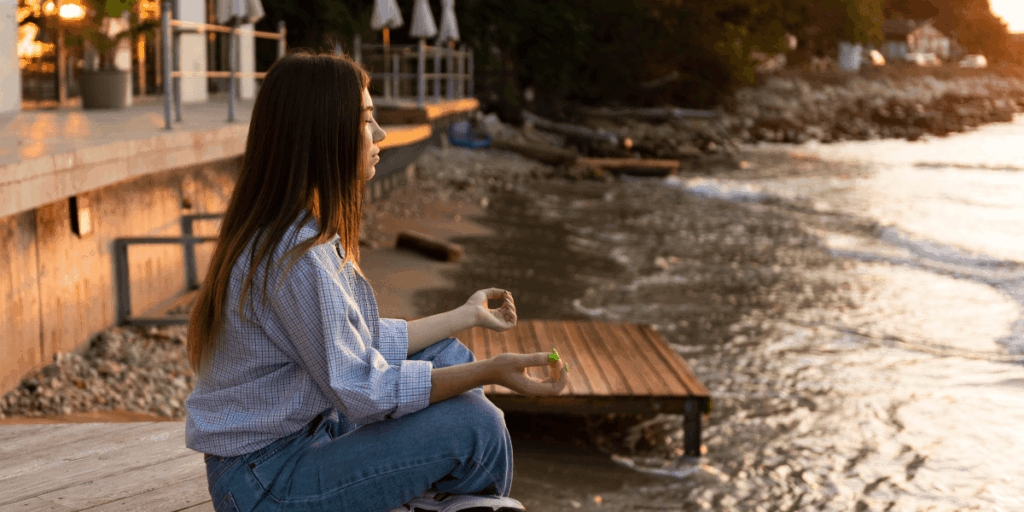
Time at a retreat does something tangible to the mind and body. The changes are real, and most people begin to feel them within the first couple of days.
- Lower stress levels: Time away from digital noise and constant stimulation allows cortisol levels to drop. The body responds quickly when the environment actually supports rest.
- Better sleep: Natural light regulates your circadian rhythm, and the absence of screens allows the nervous system to wind down properly.
- Emotional clarity: When you stop running from one thing to the next, real clarity tends to surface. Many people leave with a clearer sense of what they actually want and need.
- Reduced anxiety: Open space, clean air, and physical movement in a natural environment all reduce the physiological markers of stress.
- A reset that lasts: Unlike a vacation, the changes tend to persist. People often return home with a level of calm that carries them through the weeks that follow.
If you’re ready to trade stress for stillness and calm, Verde Retreat Center welcomes you. Our wellness retreats in New Mexico combine peaceful surroundings, thoughtful spaces, and the natural beauty of the high desert to help you rest, recharge, and return home feeling renewed. Visit us today!
Vacation or Retreat: Which One Do You Actually Need?
A vacation is a great fit for someone tired but not depleted, who wants to explore a new place, spend time with family, or enjoy a change of scenery. If you have the energy to travel, move around, and fill your days with activity, a vacation delivers exactly that. It is the right choice when what you need is fun, freedom, and a temporary lift.
A retreat suits someone who is running low in a deeper way. If you keep coming back from holidays feeling like nothing has really shifted, or if you are craving clarity, stillness, or a genuine reset, a retreat for personal transformation is the more intentional option. It is also a strong fit for anyone who wants to build healthier habits, spend real time in nature, or have space to think without the noise of everyday life pulling at them.
Retreat vs Vacation Difference: A Quick Comparison
| Vacation | Retreat | |
| Purpose | Leisure and enjoyment | Rest, reset, and personal well-being |
| Structure | Flexible and unplanned | Intentional and guided |
| Effect on stress | Temporary distraction | Addresses the root cause |
| Environment | Tourist destinations, resorts | Natural, quiet, low-stimulation settings |
| Screen time | Usually high | Minimal or none |
| What you take home | Memories | Tools, habits, and lasting calm |
| Best for | Fun, exploration, social connection | Burnout, clarity, emotional reset |
Conclusion
A vacation gives you a break. A retreat is for stress relief, and it goes far deeper than that. It gives you a reset, one that shows up in how you feel, think, and move through your life long after you have returned home. Real stillness, time in nature, and space away from constant stimulation are not indulgences. For many people, they are exactly what is needed to function well and feel like themselves again.
If you have been searching for relaxing retreats in Taos, New Mexico, Verde Retreat Center offers quiet, high-desert land, walking trails, a movement studio, and direct access to some of the most restorative natural terrain in the American Southwest. Contact us today!
FAQs
What is the difference between a wellness retreat and a vacation?
A vacation is a leisure break with no fixed intention. A wellness retreat is structured around rest, reflection, and personal well-being. Vacations offer temporary relief; retreats tend to produce more lasting change.
Are retreats more effective than vacations for reducing stress and burnout?
For genuine stress relief and burnout recovery, retreats are generally more effective. They address the underlying depletion rather than just providing a distraction, and the benefits tend to last well beyond the stay.
What activities are typically included in a wellness retreat?
Common offerings include yoga, guided meditation, walking in nature, journaling, creative workshops, and movement classes. Many retreats also incorporate healthy meals as part of the overall experience.
How do retreats help with personal growth and self-reflection?
Retreats remove the distractions that normally prevent deep thinking. In that space, people often gain insight into their own patterns, needs, and goals.
Who should choose a retreat instead of a traditional vacation?
A retreat is a strong fit for anyone feeling burned out, emotionally depleted, or craving genuine clarity. It is also well-suited to people who want to build healthier habits or step away from screens and daily pressure.